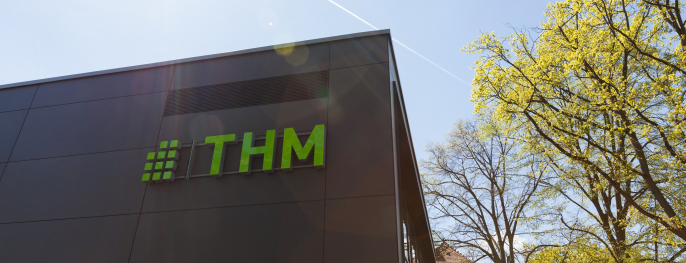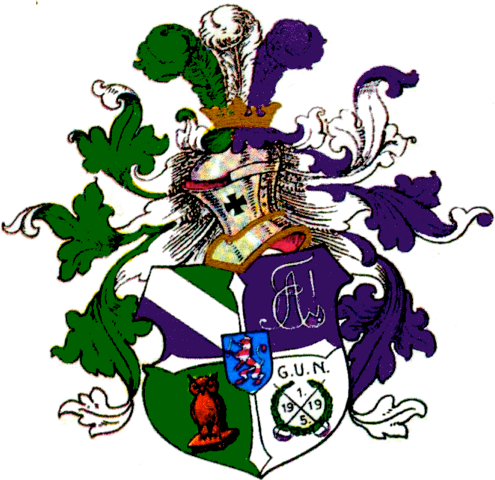
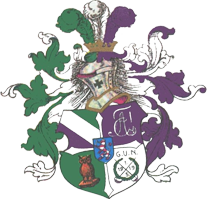
Established in 1919, our fraternity in Friedberg has a long history of welcoming students from the Technical University of Mittelhessen and other local institutions. Our fraternity house is the heart of our community.
By organizing lectures and attending events with other fraternities, we're constantly expanding our knowledge and developing ourselves beyond our academic pursuits.
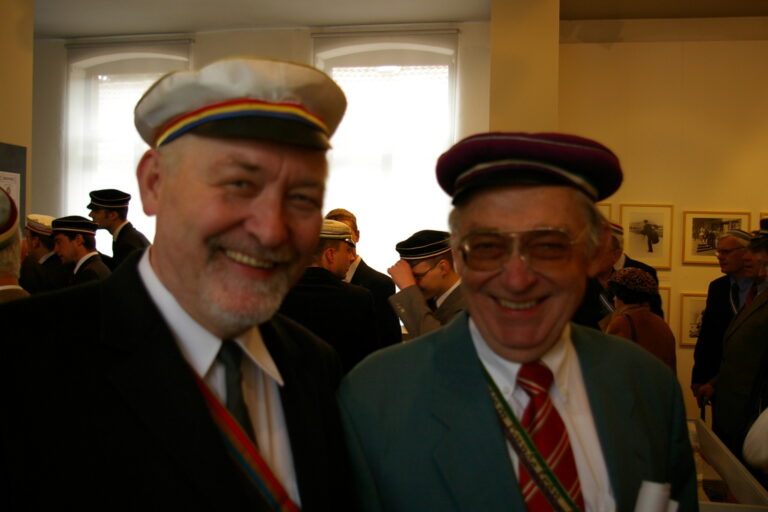
Connect with your fraternity's past. Contribute to its future. Succeed together. As alumni, your engagement is the cornerstone of our enduring legacy. Let's strengthen our fraternity's bond, inspire the next generation, and create a lasting impact on the world.
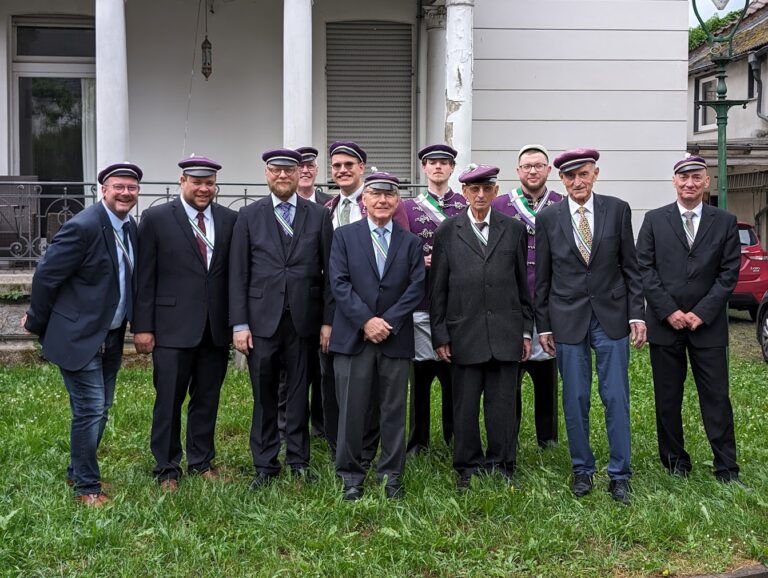
Make a difference. Inspire change. Connect with your community. As a volunteer, your dedication is the cornerstone of a better world. Let’s work together to create positive change, inspire others, and build a stronger community for all.
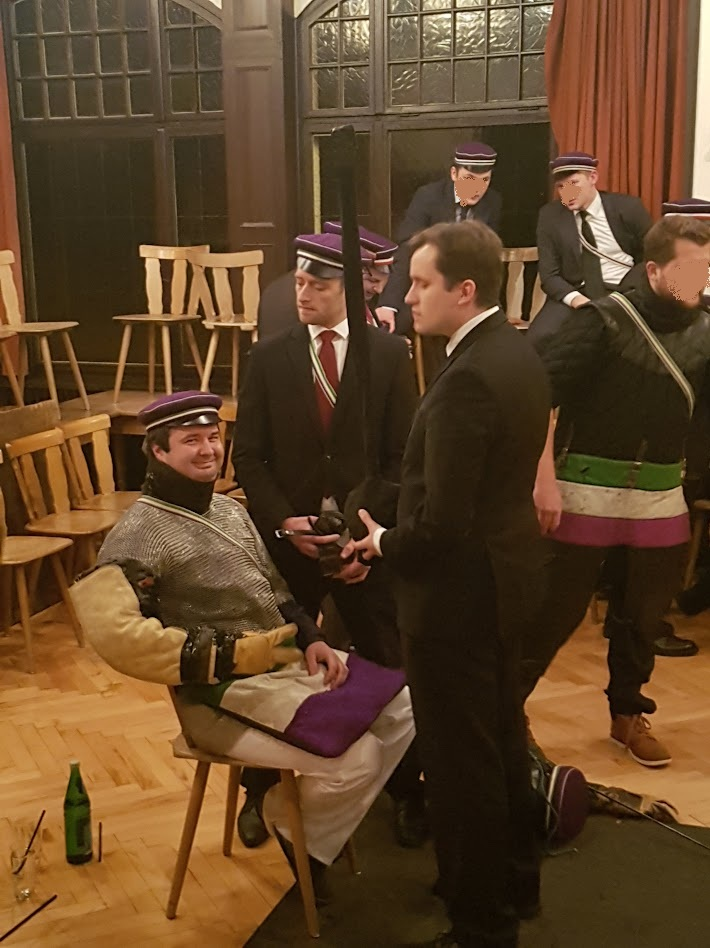
Spar with the best. Hone your skills. Achieve greatness. As a fencer, your dedication is the cornerstone of your success. Let’s push your limits, inspire others, and become champions of the sport.
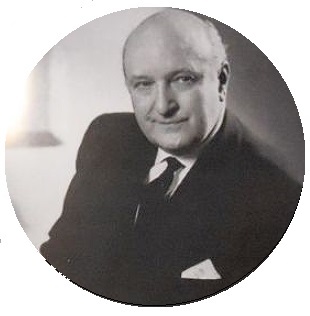
Daniel studied mechanical and electrical engineering at the Polytechnic Institute of Friedberg, now known as the Technische Hochschule Mittelhessen, Campus Friedberg. He later earned a doctorate in political science (Dr. rer. pol.). In the 1930s, he worked on the development of a telephone answering machine. In 1976, he was awarded the Federal Cross of Merit on Ribbon (Bundesverdienstkreuz am Bande).
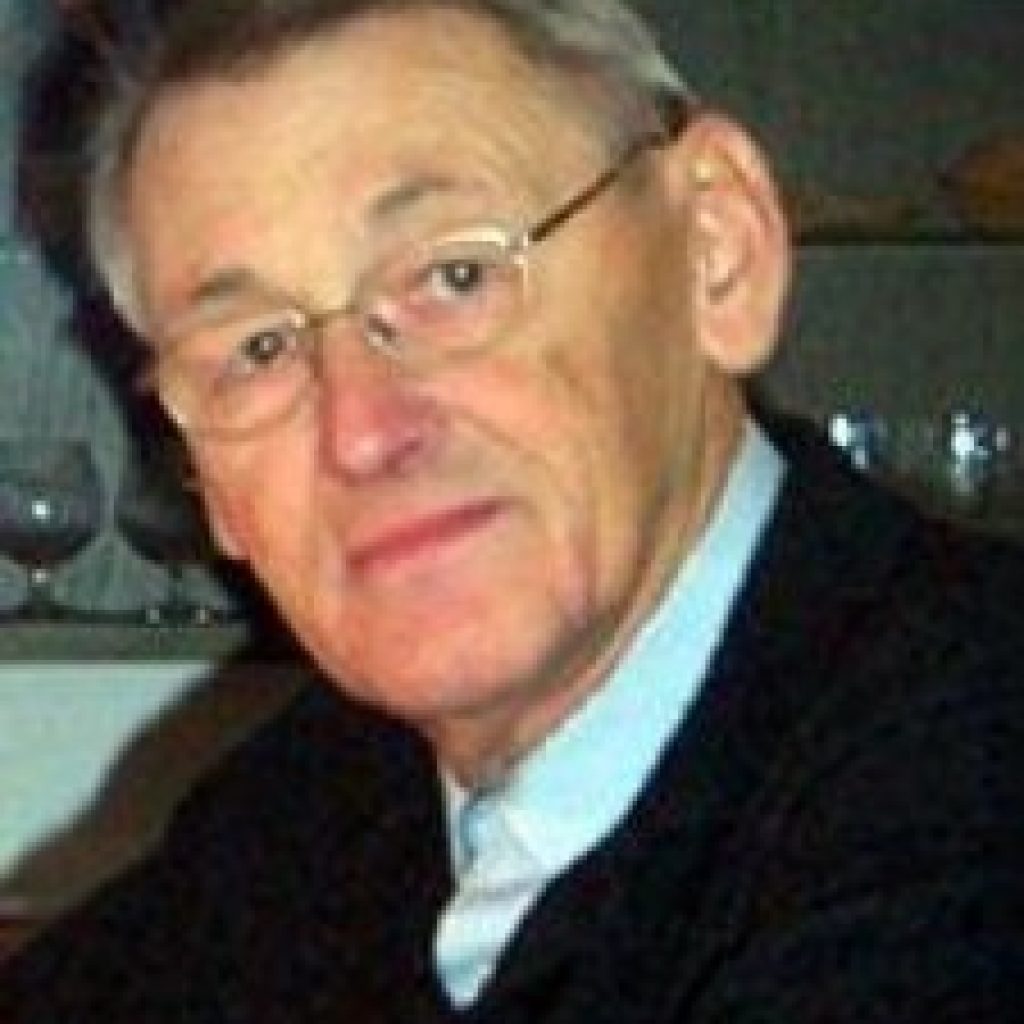
Hans Umpfenbach studied electrical engineering in Friedberg. He later moved to North Rhine-Westphalia and entered politics. From November 9, 1969, to June 30, 2005, he served as a member of the council—first of the municipality, then of the city of Pulheim. After nearly 36 years, he voluntarily stepped down from his council mandate and party leadership due to age. He was known for his extraordinary commitment, made indispensable contributions to the positive development of the city, and represented the interests of its citizens.
In recognition of his service, the city of Pulheim awarded Hans Umpfenbach honorary citizenship in August 2006. On December 5, 1986, he received the Federal Cross of Merit on Ribbon (Bundesverdienstkreuz am Bande). On September 6, 1994, he was entered into the city’s Golden Book at Pulheim Town Hall in honor of his 25 years of service on the council.
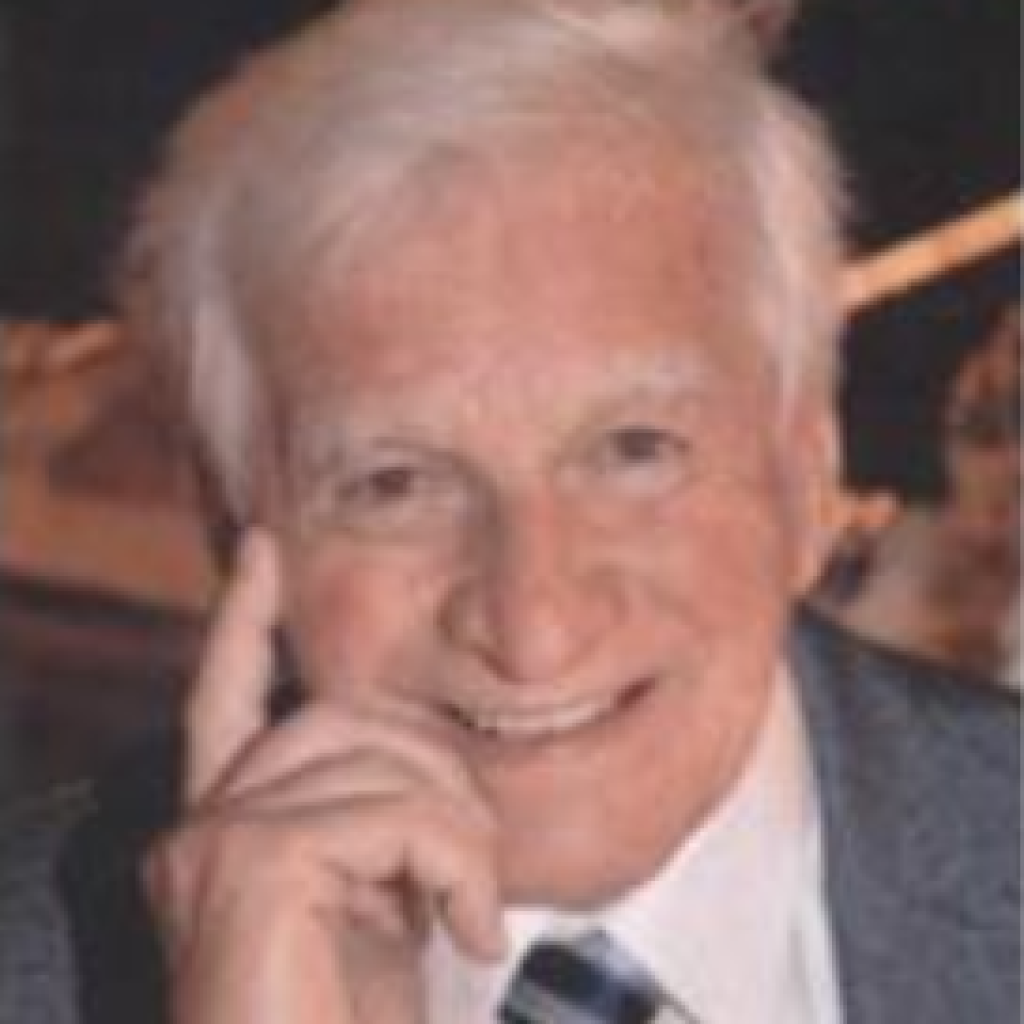
Wolfgang Stednitz studied electronic engineering in Friedberg and moved afterwards to Canada. He wrote the Book "Heikle Gewässer" about his Journey after the 2. Worldwar to study in Germany and go into the electronic Industry. He invented several patents and worked long time for international R&D Departments.
Hans Dunker recognized early on the importance of mobility, a vision that proved right as shown by the continued success of the company he founded. In the 1920s and 30s, bicycles and motorcycles were the primary means of transportation in Germany. In 1924, Dunker opened his first shop in Nieder-Wöllstadt, focusing on bicycles. As interest in automobiles grew, he expanded into car sales and opened a gas station—selling vehicles from Horch, Audi, Wanderer, and DKW, which later merged into Auto Union in 1932. His gas station was the first and only one between Friedberg and Bad Vilbel at the time.
As the business grew, space in Nieder-Wöllstadt became too limited, so in 1939, Dunker moved the company to Friedberg. However, World War II halted all expansion plans. The U.S. Army occupied the premises in 1945, and with the German auto industry in ruins, Dunker was no longer allowed to run the business. It seemed the company had reached its end.
Success with Volkswagen
But Dunker’s son-in-law, Alfred Krenz, was undeterred. After the currency reform, Germany began rebuilding—what would later be known as the "economic miracle." Krenz, full of energy and vision, resumed operations and made a key decision: to partner with Volkswagen. In 1949, Dunker signed a wholesale agreement with VW, supplying dealers and workshops across the Wetterau and Vogelsberg regions. The iconic VW Beetle was just beginning its legendary rise—and the rest, as they say, is history.